Source Diesel Engine Camshaft Thrust Bearing for Trucks, Generators, Construction
Compare 30 listings for diesel engine camshaft thrust bearing from verified suppliers. Review specifications like part numbers, materials, and delivery times to find the right component for trucks, generators, and construction equipment; compare the available evidence and request quotations based on your requirements.
Key considerations
Products List


Comprehensive Sourcing Guide
Diesel Engine Camshaft Thrust Bearing Sourcing Guide
Procuring diesel engine camshaft thrust bearings requires a disciplined approach to technical verification and supplier qualification. These critical components manage axial loads within the engine block, preventing excessive shaft movement that can lead to catastrophic failure. Buyers must prioritize precision engineering and material integrity to ensure long-term reliability in heavy-duty applications. The following guide outlines the essential steps for sourcing high-quality thrust bearings while mitigating common procurement risks.
This document provides evidence-based guidance for international buyers evaluating suppliers of camshaft thrust supports. It focuses on interpreting product listings, verifying technical specifications, and assessing commercial terms. By adhering to these structured procurement principles, buyers can secure components that meet stringent operational demands. The guide emphasizes due diligence in documentation, quality control, and long-term supplier relationship management to ensure consistent performance.
Product Scope and Observed Listing Signals
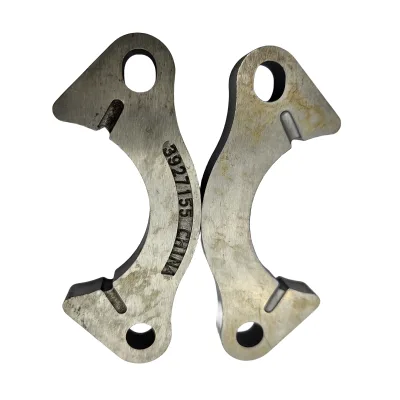
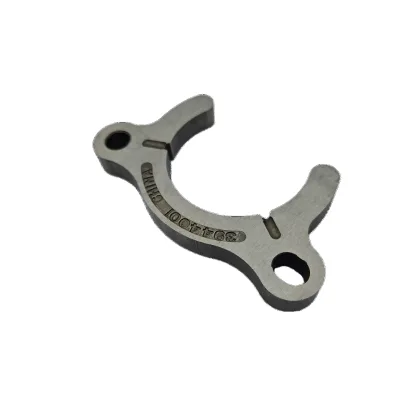
Market listings for diesel engine camshaft thrust bearings often display a wide range of part numbers and compatibility claims. Observed data indicates part numbers such as 3927155 and 2868820, which correspond to specific engine models like the 6CT and QSM11/ISM11 series. Buyers should carefully cross-reference these identifiers with their original equipment manufacturer (OEM) specifications to avoid mismatches. The presence of multiple part numbers in a single listing may indicate a supplier offering interchangeable or aftermarket alternatives rather than direct OEM replacements.
Weight and packaging details provide additional clues about product authenticity and quality. Listings show weights ranging from 0.16 kg to 0.5 kg, with packaging options including neutral packing, standard packages, and wooden crates. These variations suggest differences in manufacturing standards or supplier logistics capabilities. Buyers should verify that the physical weight aligns with expected material density for iron or steel components, as significant deviations may indicate inferior materials or incomplete assemblies.
Technical Specifications to Verify
Engine compatibility is the most critical technical factor when sourcing camshaft thrust bearings. Suppliers may list compatibility with various engine types, including diesel engines with models like 6CT, QSM11, and ISM11. Buyers must confirm that the bearing’s internal dimensions, outer diameter, and thickness match the specific engine block requirements. Mismatched specifications can lead to improper fitment, increased friction, and premature wear, ultimately causing engine failure. Always request detailed dimensional drawings or CAD files to validate compatibility before placing an order.
Material composition and manufacturing techniques significantly influence bearing performance and durability. Observed listings mention materials such as iron and manufacturing processes like casting. While these are common, buyers should verify the specific alloy grade and heat treatment processes used. High-quality thrust bearings often require specialized materials to withstand high axial loads and thermal cycling. Inquire about the supplier’s quality control measures during production, including tolerance checks and surface finish requirements, to ensure the component meets operational demands.
Compliance and Safety Documentation
Certification status is a key indicator of a supplier’s commitment to quality and regulatory compliance. Some listings mention certifications such as TSRoHS, E-Mark, CE, ISOCOP, and CCC. Buyers should request valid certification documents and verify their authenticity with the issuing bodies. These certifications demonstrate that the supplier adheres to international standards for environmental safety, electromagnetic compatibility, and product quality. However, buyers must ensure that the certifications are relevant to the specific product category and intended market.
Machinery test reports and inspection videos provide additional assurance of product quality. While some listings indicate that machinery test reports are not available, others offer video outgoing-inspection services. Buyers should prioritize suppliers who provide comprehensive testing documentation, including dimensional verification, material analysis, and performance testing results. If test reports are unavailable, request detailed inspection videos that clearly show the product’s condition, packaging, and labeling. This visual evidence can help verify that the product matches the described specifications.
Cost Drivers and Commercial Terms
Pricing for diesel engine camshaft thrust bearings varies based on material quality, manufacturing complexity, and order volume. Observed price ranges span from $0.33 to $1000, reflecting differences in product tiers and supplier positioning. Buyers should analyze pricing in the context of the component’s technical specifications and expected lifespan. Extremely low prices may indicate compromised quality or counterfeit products, while premium pricing should be justified by superior materials, rigorous testing, and comprehensive warranty coverage.
Minimum order quantities (MOQ) and delivery times are critical commercial factors affecting procurement planning. Listings show MOQs ranging from 1 to 50 pieces, with delivery times typically between 7 and 15 days. Buyers should negotiate terms that align with their inventory management strategies and production schedules. Flexible MOQs are beneficial for small-scale repairs or initial testing, while larger orders may qualify for volume discounts. Confirm payment methods, such as TT, PayPal, Western Union, or Trade Assurance, to ensure secure transactions and buyer protection.
Supplier Qualification and Quality Control
Supplier qualification involves assessing the company’s manufacturing capabilities, quality management systems, and after-sales support. Buyers should verify the supplier’s place of origin, with many listings indicating Zhejiang, China, or USA/China origins. While geographic location can influence logistics costs, it is less important than the supplier’s proven track record in producing high-quality engine components. Request information about the supplier’s production facilities, equipment, and personnel qualifications to evaluate their capacity to meet your requirements.
Quality control processes are essential for ensuring consistent product performance. Buyers should inquire about the supplier’s inspection protocols, including incoming material checks, in-process monitoring, and final product testing. Suppliers offering customization services may provide tailored solutions for specific engine modifications, but this requires close collaboration and clear technical specifications. Establish a clear communication channel for addressing quality issues and request a warranty period, such as the observed 6-month warranty, to protect against defective products.
Long-Term Procurement Checks
Establishing a long-term procurement strategy requires regular performance evaluation and supplier relationship management. Buyers should track key performance indicators (KPIs) such as delivery accuracy, product quality, and responsiveness to issues. Consistent performance over multiple orders indicates a reliable supplier, while recurring problems may necessitate sourcing alternatives. Maintain open communication with suppliers to discuss improvements, new product developments, and potential cost-saving opportunities.
Continuous monitoring of market trends and technological advancements is crucial for staying competitive. The diesel engine parts market evolves with new materials, manufacturing techniques, and regulatory requirements. Buyers should stay informed about industry developments and adjust their sourcing strategies accordingly. Regularly review supplier certifications and compliance status to ensure ongoing adherence to relevant standards. By maintaining a proactive approach to supplier management, buyers can secure a stable supply of high-quality camshaft thrust bearings for their operations.
FAQs
What is a diesel engine camshaft thrust bearing used for?
A diesel engine camshaft thrust bearing controls the axial movement of the camshaft, keeping it correctly positioned while the engine runs. It prevents excessive end play that would wear timing gears or affect valve timing. Listings such as part number 3927155 are supplied for truck applications with diesel engines, and buyers should confirm the engine model before ordering.
Which part numbers are available for camshaft thrust bearings?
Listings on this page reference part numbers including 3927155, 3944001, 2868820, 4946031, and 3007971. These correspond to different engine models such as 6CT and QSM11 or ISM11. Because one listing may show multiple numbers, always verify the exact part number against your engine's parts manual or the worn component before placing an order.
How do I confirm a thrust bearing fits my engine model?
Check your engine model, such as 6CT or QSM11/ISM11, and match it with the part number listed on the product page. Standard size components are typically cross-referenced by OEM number, for example 2868820. If you are unsure, share your engine nameplate details and the old bearing's markings with the supplier so they can verify compatibility before shipment.
What is the typical minimum order quantity for these bearings?
Minimum order quantities on the listed products range from 1 piece to 50 pieces, with some listings requiring 10 pieces. Single-item selling units and low MOQs make small replacement orders practical for repair shops. If you need bulk quantities for distribution, confirm with the supplier whether volume pricing or reduced MOQ terms apply to your specific part number.
How long does delivery take after ordering?
Listed delivery times are generally 7 to 15 days, and some listings state inventory availability with items in stock. Actual timing depends on order quantity, packaging, and shipping method, since sea and air shipment options are offered. Confirm current stock and dispatch time with the supplier before payment, especially if your repair schedule depends on a firm arrival date.
What payment methods are accepted for orders?
Listed payment options include TT, PayPal, Western Union, and Trade Assurance. Trade Assurance is often preferred by buyers because it adds order protection through the platform, while TT suits larger commercial orders. Confirm the accepted methods for your chosen listing, as terms can vary between individual product pages and sellers before you arrange payment.
Can camshaft thrust bearings be customized for special requirements?
Yes, customization is listed as available on some products, which may cover material, packaging, or dimensional requirements. Standard listings already offer options such as neutral packing, wooden packing, and silver or black color finishes. For custom work, provide drawings or samples of your required thrust bearing and confirm MOQ, cost impact, and lead time with the supplier in advance.
What warranty and after-sales support are provided?
Listed products carry a 6-month warranty, with online support available for after-warranty service. Some listings also provide a video outgoing-inspection before shipment, which helps you verify condition on arrival. Keep records of the part number, order date, and installation details, and contact the supplier promptly if a defect appears within the warranty period.